

NOISE & IMPACT ON CHILDREN
Our campaign to denoise nurseries
Young children learn through listening, interaction, and connection. But many early years environments are noisier than we realise.
Our campaign to denoise nurseries explores how everyday sound environments shape communication, attention, and learning in the earliest years of life. By working alongside educators and nursery communities, we aim to support practical, evidence-informed changes that help create calmer, more communication-friendly spaces for babies and toddlers.
“Because better listening environments create better opportunities to connect, communicate, and thrive.”
Noise project blog

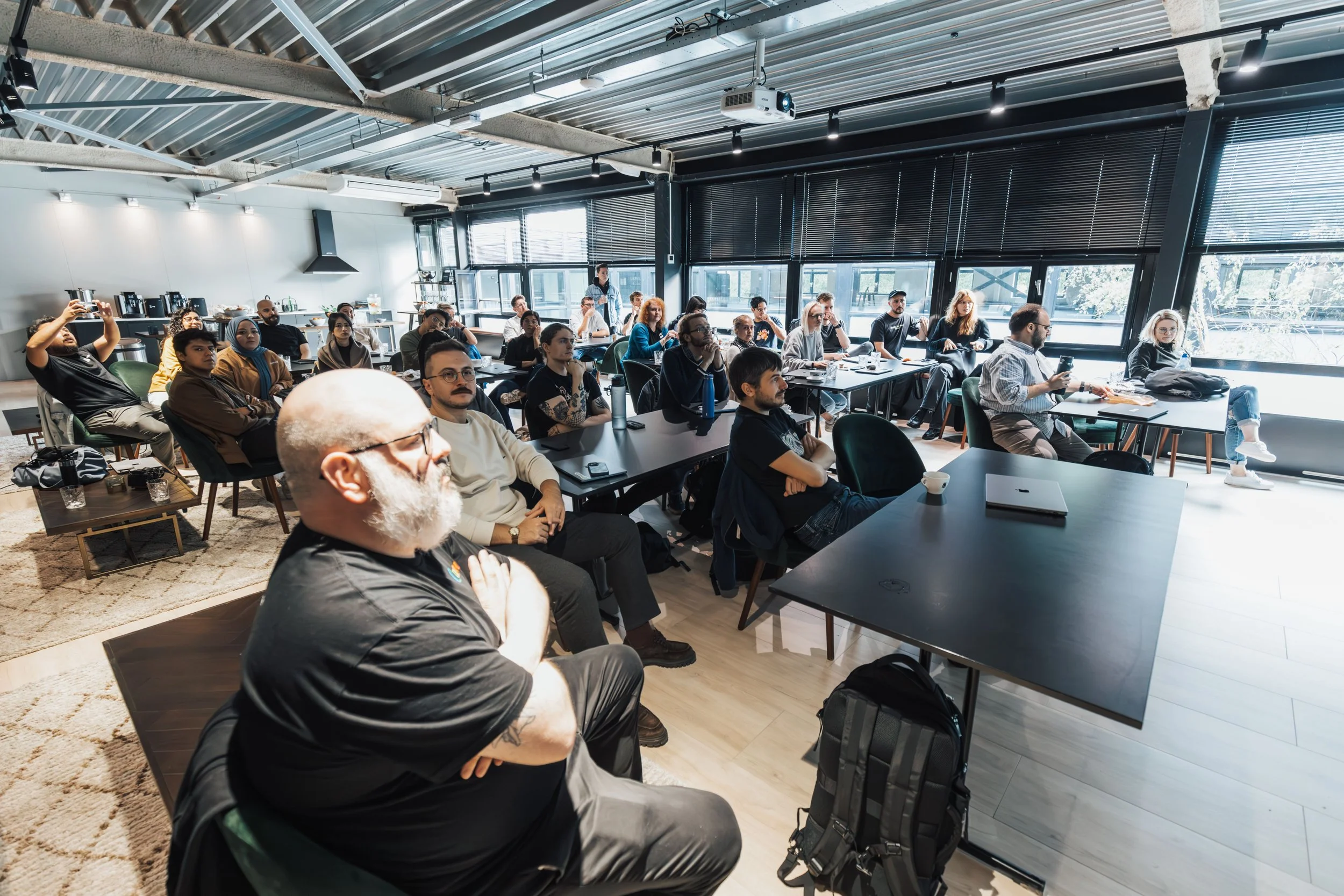

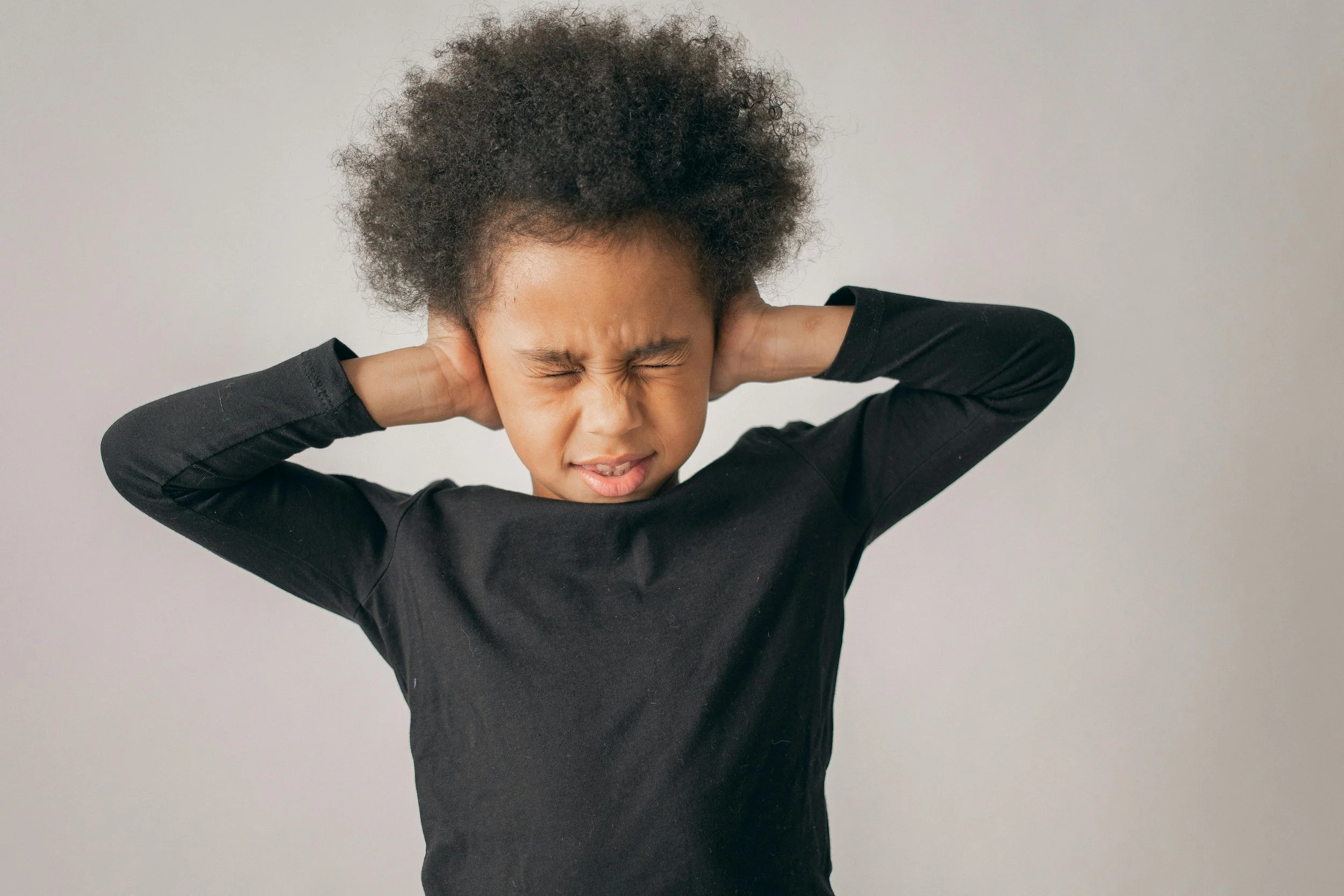
Our new blog series follows our ongoing research funded by the Nuffield Foundation. In the first post, PhD researcher Conor Bathgate explored how noise in early years environments may influence communication, attention, and interaction in nursery settings. In this second blog, he reflects on the project’s first advisory panel meeting and the role of collaborative, interdisciplinary thinking in shaping the research. The third blog post explores the projects special policy forum event.
Evidence Week in Parliament 2026: Acoustic Environments in Early Years
How do indoor and outdoor environments shape children's experiences? This policy briefing draws on the findings of Goldenberg et al. (2024), alongside insights from Sense about Science's Evidence Week in Parliament, to present recommendations for policy and practice.
Policy Briefing: The Hidden Impact of Noise on Early Learning
How do everyday nursery sound environments shape children's opportunities to listen, communicate and learn? This policy briefing brings together current evidence, key discussion points from our Special Policy Forum, and recommendations for policy and practice
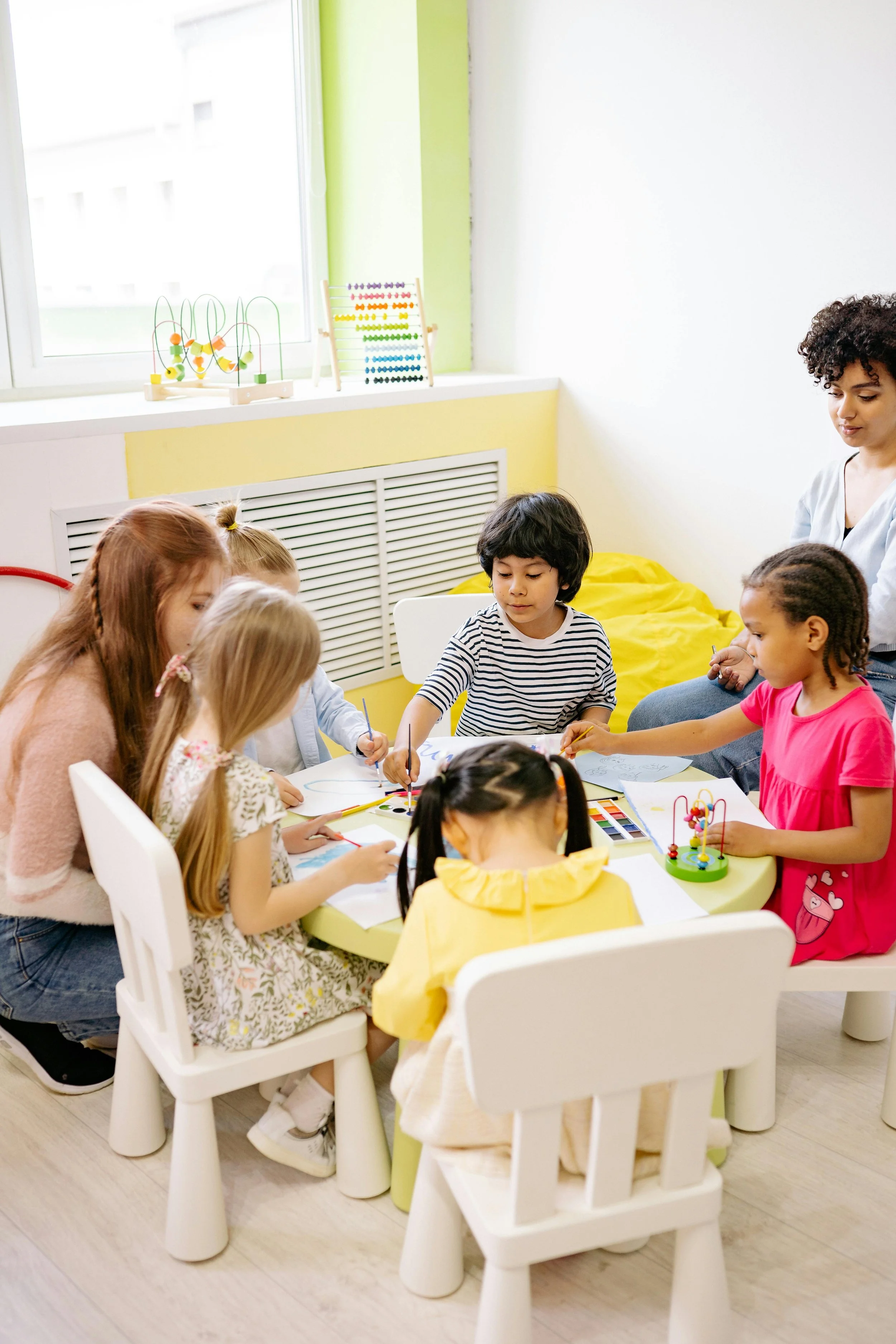
Making sound visible in early development - The Psychologist (BPS)
In this article, Conor Bathgate explores how background noise may shape early development, highlighting how poor acoustic conditions can make it harder for young children to process speech, maintain attention, and access language-rich interaction. The article discusses why listening conditions matter in early years environments and considers how improving acoustic quality may help support stronger communication, language, and literacy outcomes.
Research Article
Research paper
This study compares children’s experiences of learning indoors versus outdoors in urban school settings, focusing on differences in noise levels and physiological stress.
Using wearable measures (including heart rate), the researchers observed children across matched indoor and outdoor sessions where activities were kept as similar as possible. The findings show that outdoor learning environments were consistently quieter than indoor classrooms, and that children’s resting heart rates were significantly lower outdoors, indicating reduced physiological stress.
The study also found that noise was linked to increased stress indoors, but this relationship did not hold outdoors. This suggests that outdoor environments may buffer children from the effects of noise, even when the learning activities themselves are comparable.
Overall, the paper highlights that the physical context of learning matters. Outdoor environments, even in urban settings, appear to support calmer physiological states and reduce exposure to disruptive noise, with implications for children’s engagement and well-being.

Research Article
Quiet please! - Early Years Educator
In this article, Dr Gemma Goldenberg explores how background noise affects early literacy, showing that poor acoustic conditions can make it harder for young children to process speech, reducing attention and learning efficiency. Improving listening conditions can support stronger language and literacy outcomes.
Research paper
Finding order in chaos: influences of environmental complexity and predictability on development - Trends in Cognitive Science
Katie L. Lancaster ∙ Sam V. Wass
TOPICS: Environmental predictability, Child development, Regulation
This paper explores how early environments shape development, focusing not just on how stimulating they are, but how predictable they are. It argues that children learn by detecting patterns in their surroundings, and that consistent, structured environments support this process.
In contrast, environments characterised by high variability and unpredictability can make it more difficult for children to form stable expectations about the world. This has implications for attention, learning, and behavioural regulation.
The review brings together evidence showing that early experiences of environmental instability are linked to differences in cognitive and psychological development, highlighting predictability as a key, but often overlooked, feature of children’s everyday contexts.
News Article
Times Educational Supplement Article - Ask the expert: is your classroom too noisy?
A noisy home environment affects the attention span of one-year-olds, research shows – so does noise in the classroom impact on learning? Professor Sam Wass thinks so. In this article for TES magazine, he explains why.
Research paper
Influences of environmental stressors on autonomic function in 12-month-old infants - The Journal of Child Psychology and Psychiatry
Sam V. Wass,Celia G. Smith,Katie R. Daubney,Zeynep M. Suata,Kaili Clackson,Abdul Begum,Farhan U. Mirza
TOPICS: Infants, Stress, Mental health, Cognitive function
This study examines how early exposure to environmental noise relates to infants’ physiological regulation and attention. Using wearable audio and physiological monitors, researchers tracked noise exposure and autonomic activity in 12-month-old infants within the home, alongside laboratory measures of attention and emotional reactivity.
Higher and more variable noise exposure was associated with less stable autonomic regulation in everyday environments. In laboratory tasks, these infants showed more fluctuating physiological responses to both attentional and emotional stimuli, alongside reduced sustained attention.
These findings suggest that early noise exposure may influence the development of regulatory systems, offering a potential mechanism linking environmental stress with later cognitive and mental health outcomes.
Voice of Early Childhood Podcast
In this episode from The Voice of Early Childhood, Angelica Celinska speaks with Dr Gemma Goldenberg about how indoor and outdoor environments shape children’s stress, attention, and self-regulation. Drawing on early findings, the discussion focuses on differences in noise levels across settings and their links to children’s physiological stress.


