
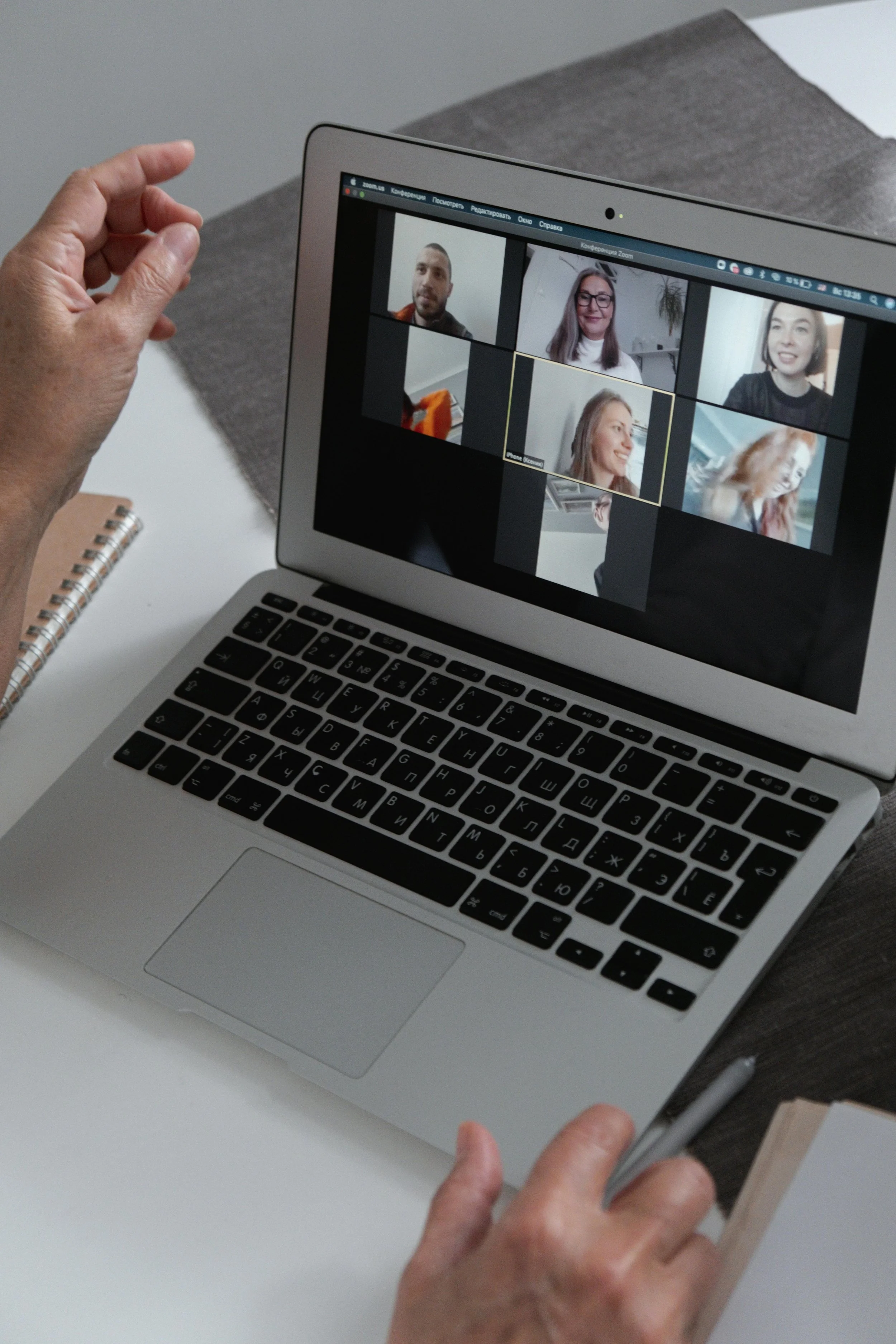
Small ears deserve big conversations: Our first advisory panel meeting
Early childhood research rarely sits neatly within one discipline. Questions about sound quickly become questions about communication, attention, interaction, pedagogy, policy, and practice.
This week, the Small Ears, Loud World project brought together researchers, early years professionals, speech and language specialists, policy voices, and acoustics experts for its first advisory panel meeting.
In this blog, PhD student Conor Bathgate reflects on the discussions that emerged, the value of collaborative research, and why listening to professional and lived expertise matters when studying children’s everyday environments.
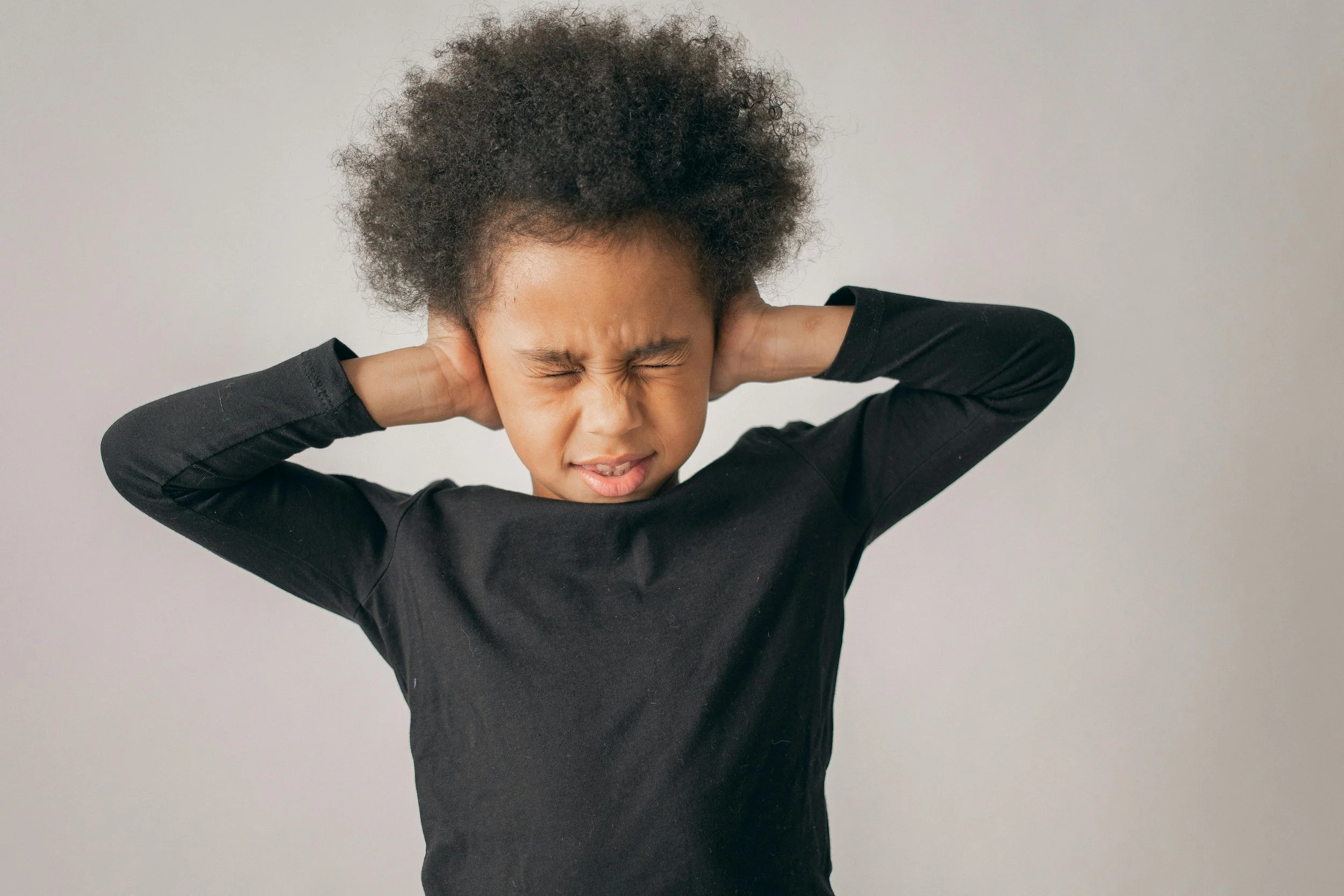
It’s too Loud in here to Learn… The Hidden Impact of Noise in Early Years Settings
You don’t need to look far to hear it. The hum of voices, the clatter of play, the constant overlap of sound that defines an early years environment.
It feels familiar, even positive, but what if that soundscape is shaping how children learn? For babies and toddlers, noise is more than the background. It is something they must actively work through to process language, focus attention, and stay regulated.
This blog written by PhD student Conor Bathgate explores what “noise” means in early years settings, what the research suggests about its impact, and why it deserves closer attention in everyday practice.